Laser technique · LASEK / PRK

Advanced LASEK / PRK laser eye surgery

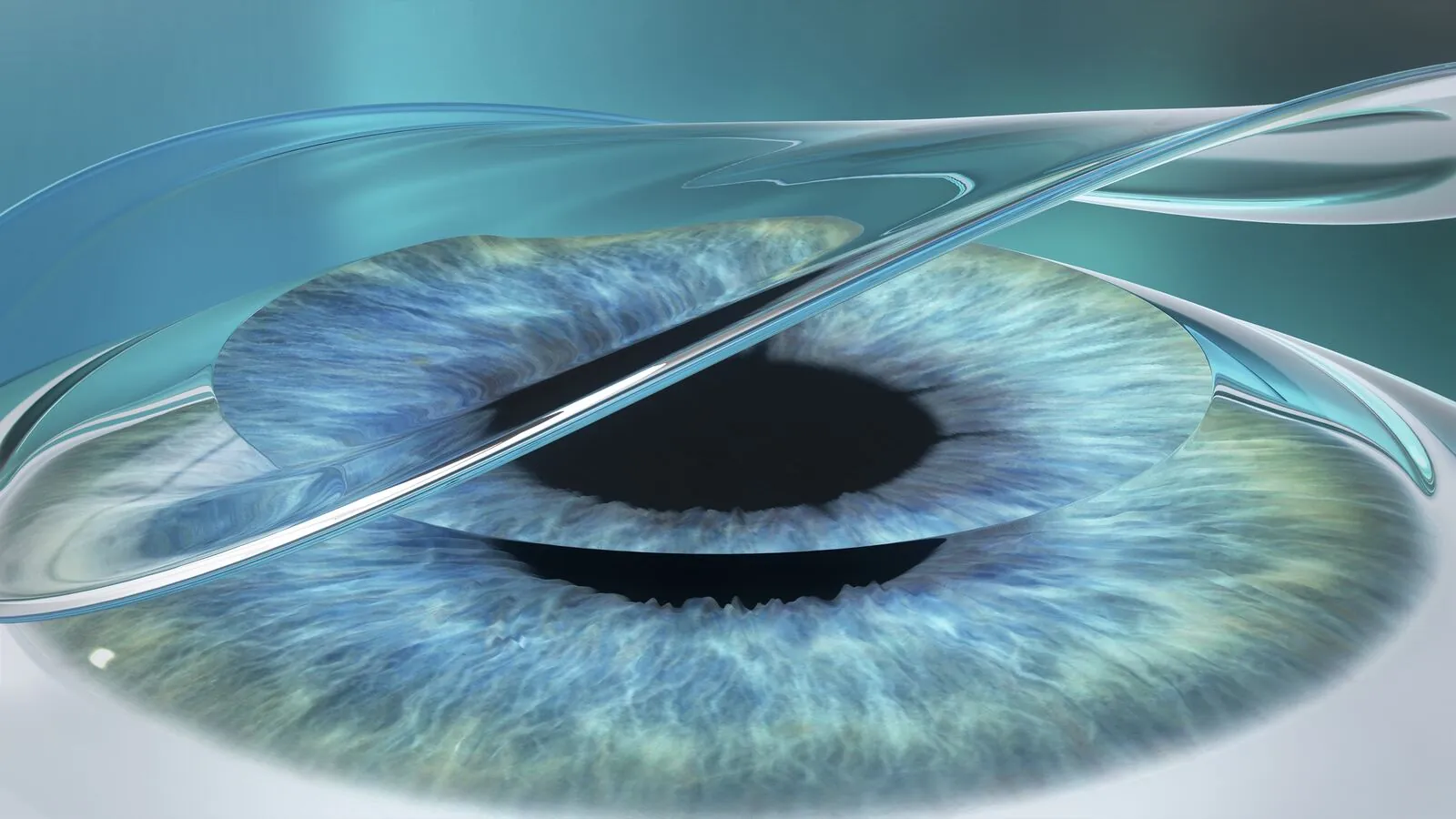
With PRK (Photorefractive Keratectomy) or LASEK (Laser Assisted SubEpithelial Keratomileusis), the superficial layer of the cornea (the epithelium) is removed. The underlying layers are treated with the excimer laser. A bandage contact lens speeds up recovery. The epithelium grows back spontaneously in the first days after treatment.
Illustration of PRK and LASEK laser eye technique with epithelial removal

What are PRK and LASEK?

PRK and LASEK are variants of the same surface laser technique. PRK was developed in the 1980s and has been used worldwide for more than 30 years. It is therefore an extremely reliable and proven technique. LASEK is a slightly more recent variant.

With PRK, the top layer (epithelium) is removed with a small brush or after brief application of a liquid. With LASEK, the same layer is first softened, moved aside and put back into place after the laser treatment.

After the excimer laser treatment a bandage contact lens is placed. The epithelial layer grows back in 5 to 7 days; the bandage lens is then removed.

Recovery after LASEK / PRK

Recovery is more gradual than with LASIK or SMILE. In the first 3 to 4 days a sandy feeling or mild pain is possible. We provide enough pain relief and eye drops. Work is usually possible from day 5 to 7. Vision fully stabilises after 1 to 3 months.

When to choose LASEK / PRK?

LASEK / PRK is the technique of choice for patients with a thinner cornea, an irregular topography, or a profession or hobby in which contact trauma is possible (combat sports, high-level contact sports, certain professions). Because no flap is created, there is no risk of flap dislocation in case of later impact.
How does a LASEK / PRK treatment proceed?

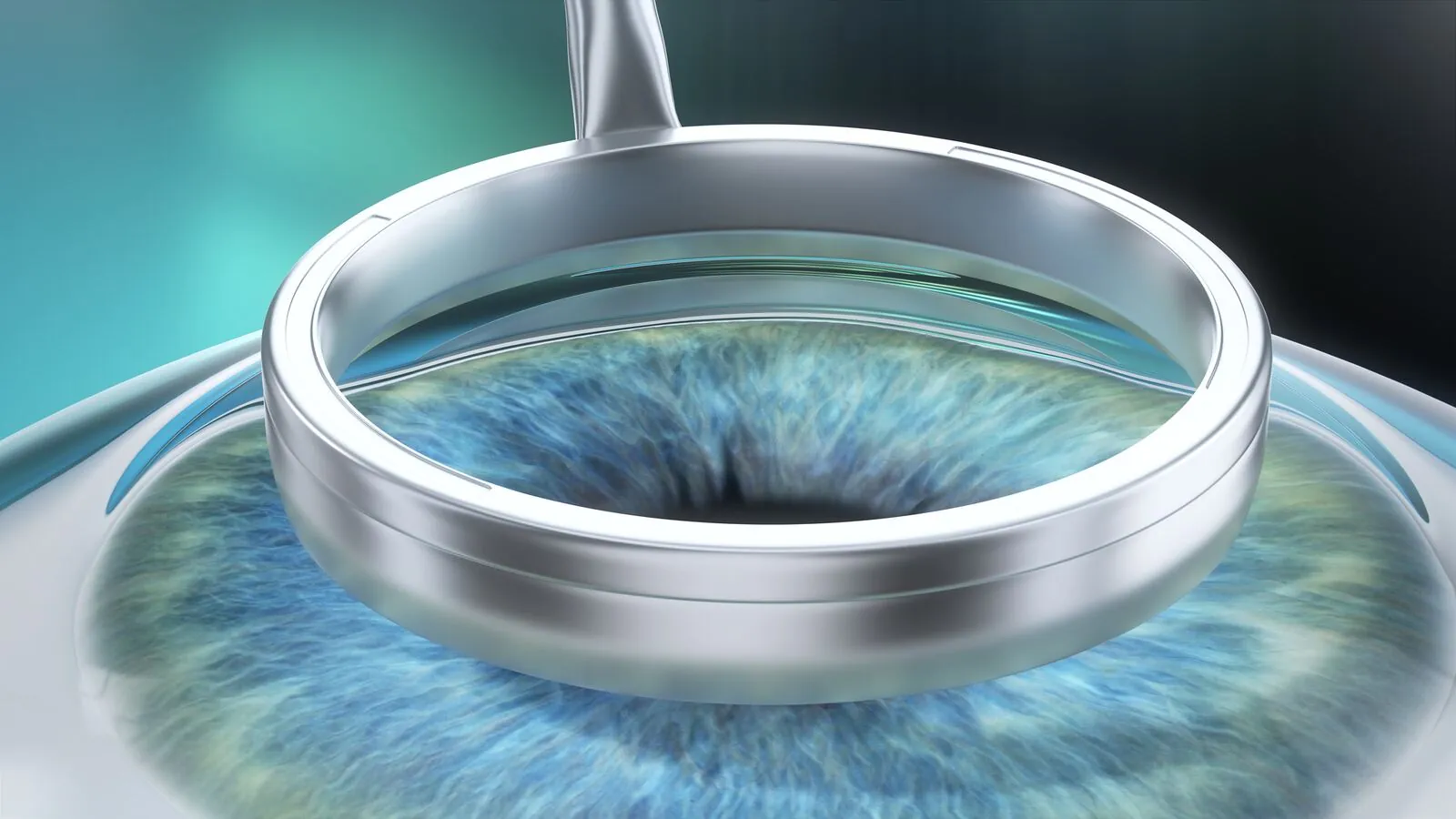
  1. The epithelium is removed mechanically with a small brush

    1. Epithelium removed mechanically

    In classic PRK the superficial layer of the cornea (epithelium) is gently brushed aside with a fine brush or spatula. Your eye is fully anaesthetised with drops.

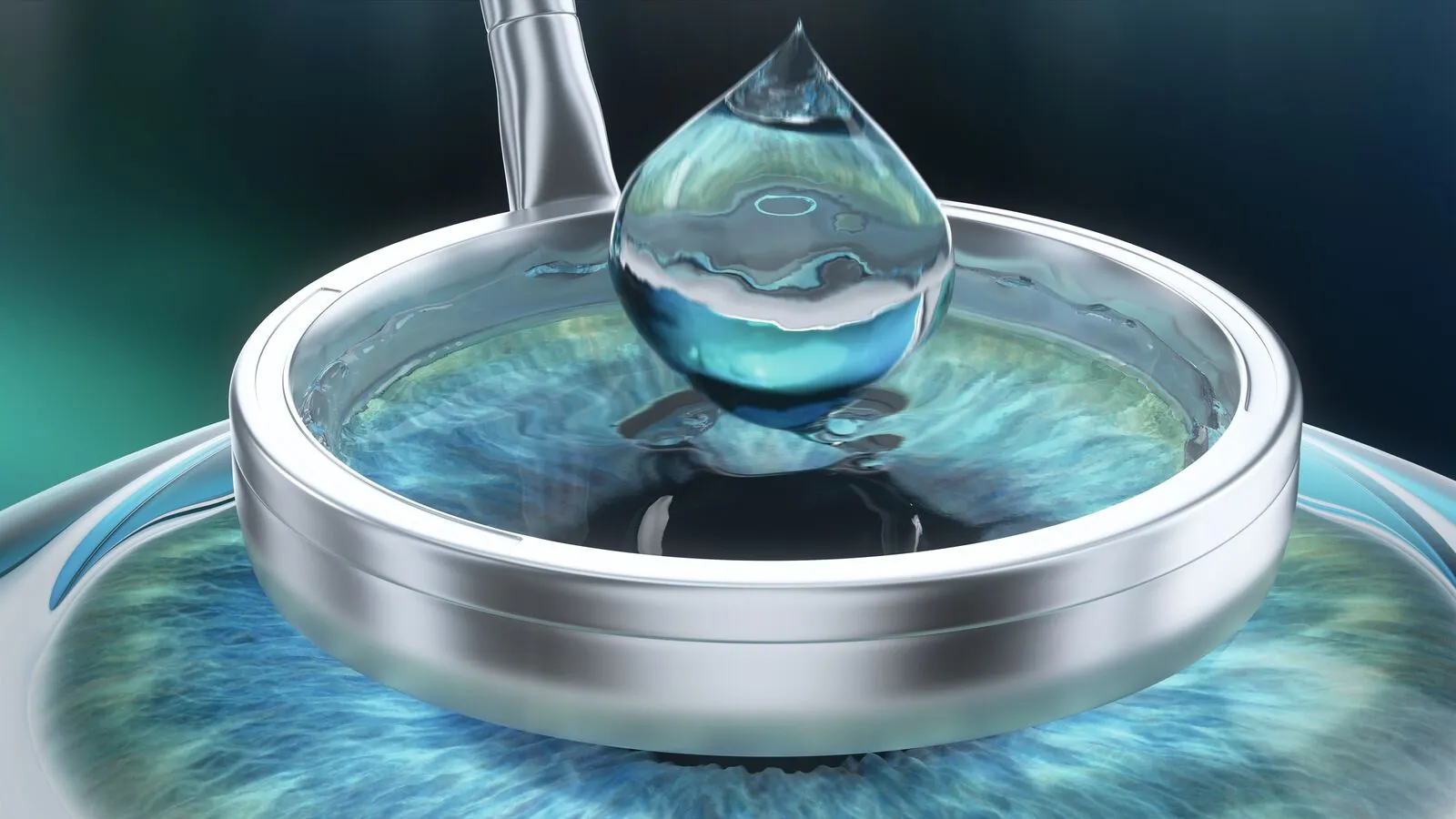
  2. Alcohol solution loosens the epithelium

    2. Alternative: loosened with alcohol

    In LASEK, a diluted alcohol solution is briefly applied to the cornea so that the epithelium comes loose neatly and can be moved aside in one piece.

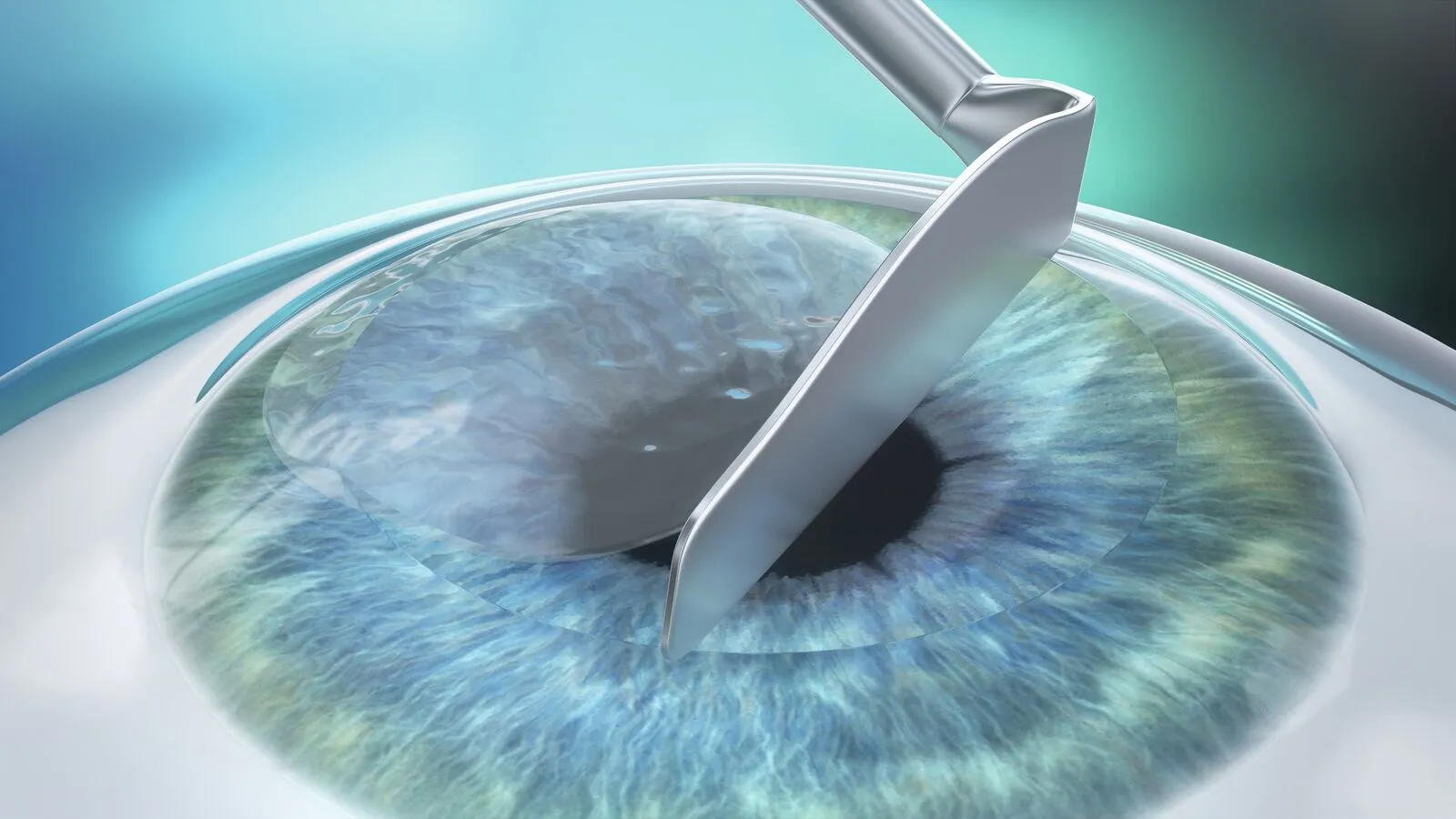
  3. Epithelium pushed aside after loosening

    3. Epithelium pushed aside

    The loosened epithelium is carefully moved aside so that the underlying stroma becomes accessible for laser treatment.

  4. Excimer laser removes the epithelium (transPRK)

    4. transPRK with the excimer laser

    In transPRK the removal of the epithelium and the correction happen in one fluid step with the excimer laser — entirely contact-free. The laser ablates the prescription in 20–40 seconds per eye.

  5. Bandage contact lens is placed on the eye

    5. Bandage contact lens

    After the laser, a soft bandage contact lens is placed on the eye. It stays in place for 5 to 7 days and protects the eye while the epithelium spontaneously grows back.

Benefits

  • No flap, so no flap complications
  • Suitable with thinner corneas
  • Ideal for contact sports and certain professions
  • More than 30 years of worldwide experience
  • Proven long-term safety

Considerations

  • Longer recovery: 5 to 7 days of work incapacity
  • Temporarily more pain and light sensitivity possible
  • Vision stabilisation takes slightly longer
Price
€ 1,450 per eye
Postoperative check-ups and any retreatment within 24 months included
Full pricing and reimbursement

Is LASEK / PRK right for you?

Particularly with thin corneas or contact sports this is often the safest choice. Plan a free screening.