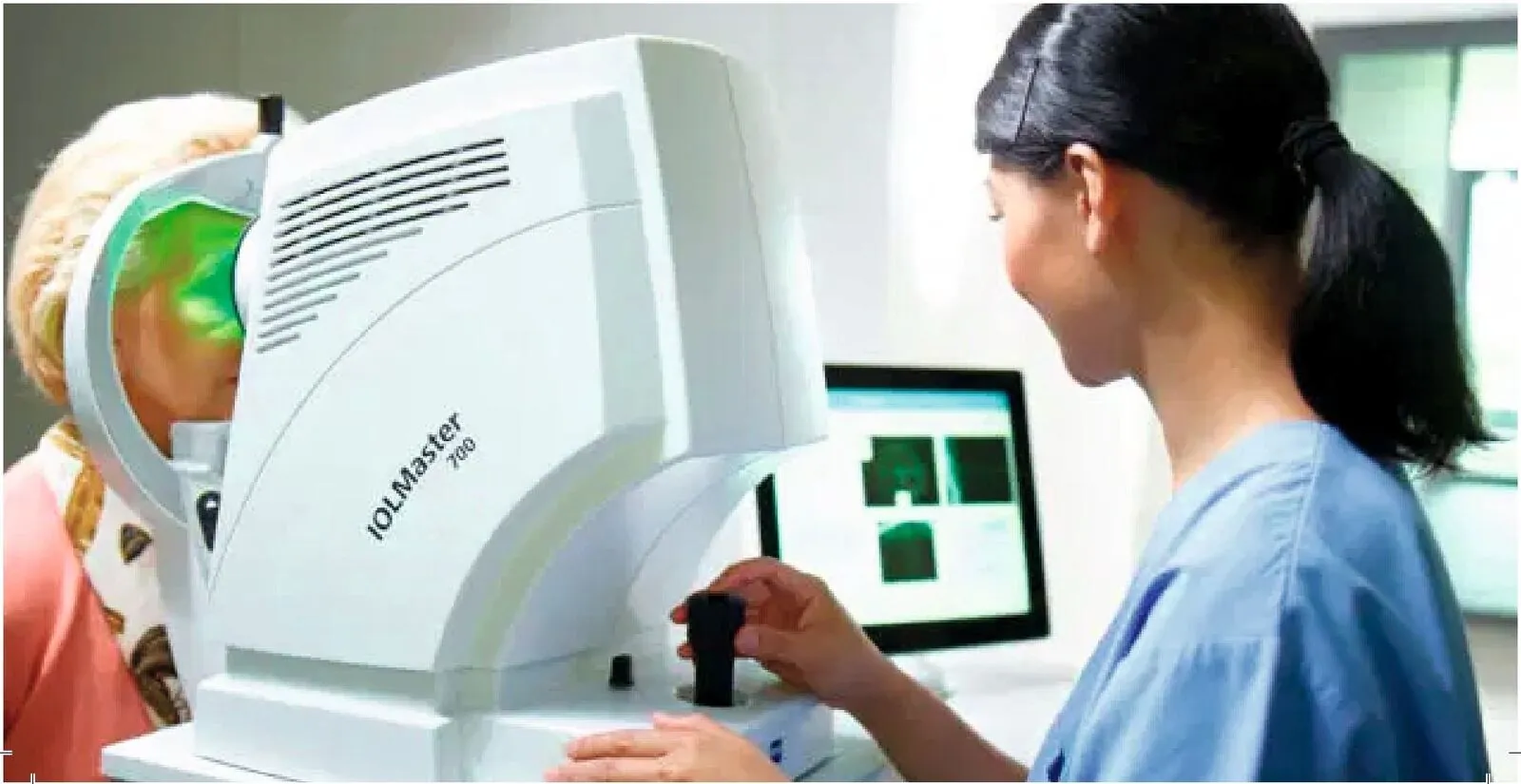

What is cataract?
Cataract is an eye condition in which the lens inside the eye gradually becomes cloudy. The lens is made of specific proteins that keep it crystal clear and allow light to be focused sharply on the retina. In cataract these proteins slowly degrade: the lens clouds over, light is scattered and can no longer be focused properly.
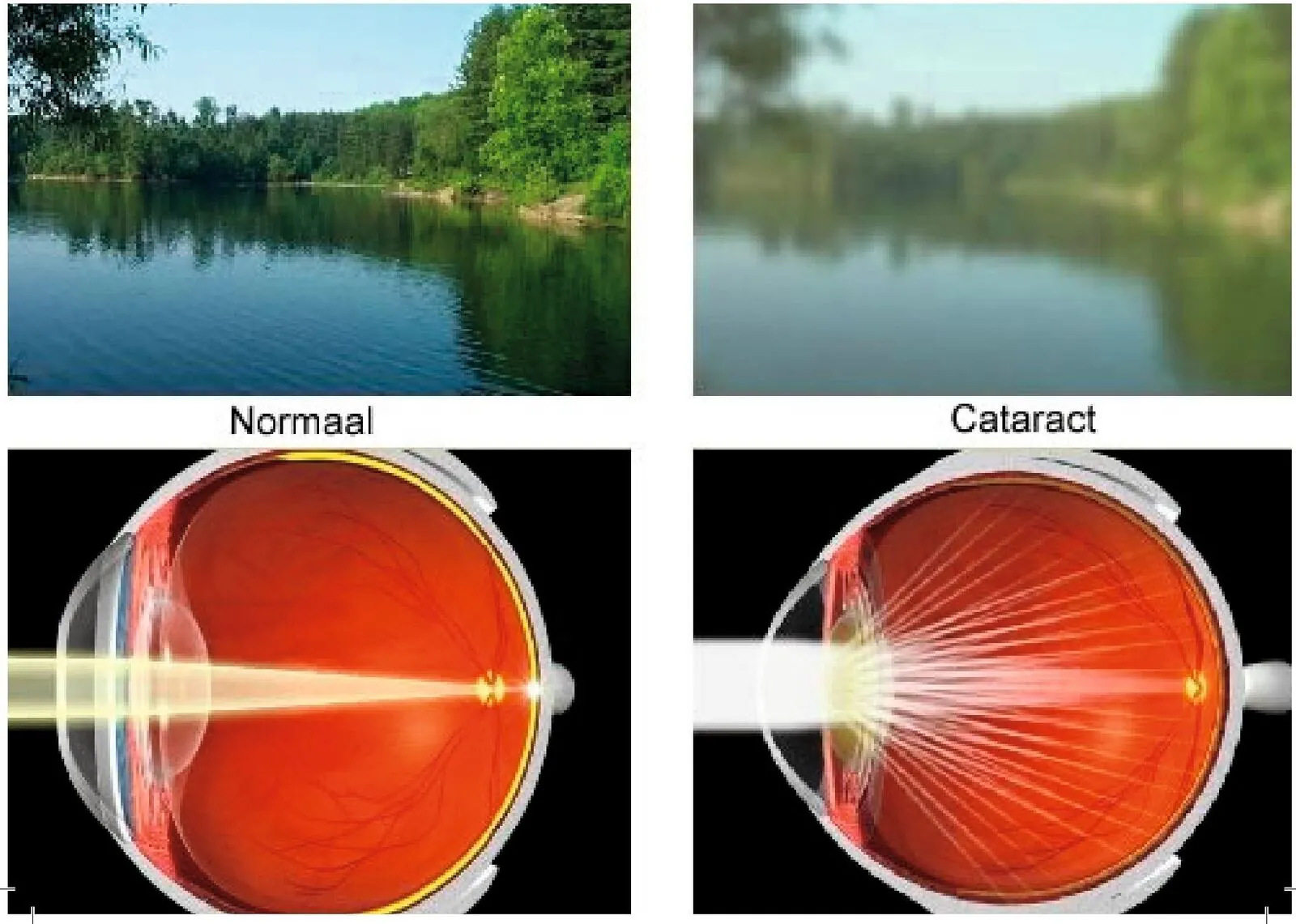
Symptoms: do you recognise these?
- Gradually blurred or milky vision
- Reduced contrast and faded colours
- Glare from bright light and headlights
- Frequently changing glasses prescription
- Double vision in one eye or a haze that won't blink away
Causes
Cataract is usually the result of normal ageing and most commonly affects people over 55. The speed at which it develops varies greatly. It usually occurs in both eyes, but progression can differ between eyes.
Cataract can also occur earlier due to:
- A severe blow to the eye
- Diabetes
- Long-term use of corticosteroids
- Hereditary factors, sometimes congenital cataract
When to operate?
When clouding is limited, a glasses update can sometimes improve vision, but only temporarily. Sooner or later no lens will help and surgery is the only way back to clear vision. We operate when cataract hinders your daily life, driving or professional activity.
How the surgery works
The procedure is performed under topical eye-drop anaesthesiaand uses an operating microscope. Through micro-incisions of just 2 mm the cloudy lens is broken up by phacoemulsification (ultrasound) and aspirated piece by piece. A personalised intraocular lens is then placed in the lens capsule. The procedure takes about 10–15 minutesand is painless.
Total time at the hospital is 2–3 hours (day surgery). You may go home the same day, but you are not allowed to drive yourself. You need to arrange transport.