
Practical: where, when and what to bring?
Below you'll find all the practical information about your cataract journey, from the pre-operative work-up to the day of surgery.
8300 Knokke-Heist
All pre-operative tests, measurements (biometry, OCT, topography) and follow-up checks take place at our Duinenwater practice in Knokke. Patients from Blankenberge may, if preferred, have some tests carried out at the Blankenberge hospital.
8370 Blankenberge
Cataract surgeries always take place at the Blankenberge hospital, in a dedicated ophthalmology operating suite and as day surgery.
The pre-operative work-up
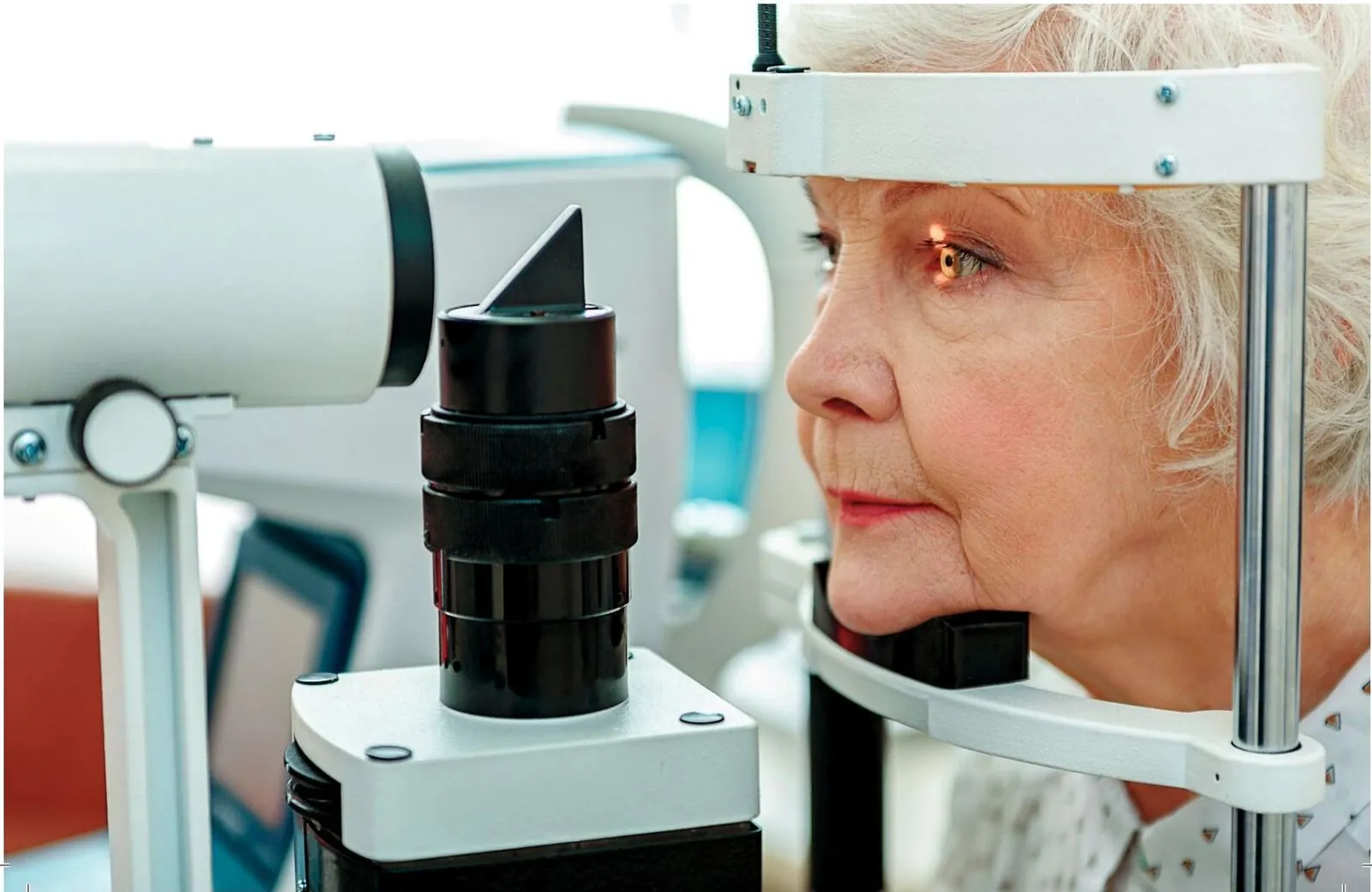
During a consultation (30–45 min) Dr. Pinxten performs:
- A full slit-lamp eye examination
- Biometry with the IOLMaster 700 (IOL calculation)
- Macular OCT: to rule out retinal disease
- If needed, corneal topography
- Endothelial cell count: to assess corneal health. Endothelial cells pump fluid out of the cornea to keep it clear. Because the energy used during cataract surgery can stress these cells, the surgeon checks beforehand that enough cells are present to minimise the risk of a hazy cornea after surgery.
- Discussion of the IOL type and price estimate
Contact-lens wearers: stop soft lenses 2 weeks before measurements, toric lenses 3 weeks, hard lenses 4 weeks.
The day of surgery
ID card, list of your medication, completed questionnaire, hospital insurance details if applicable, glasses/reading glasses if you wear them, comfortable clothing. No valuables or jewellery.
Take your usual medication in the morning, unless instructed otherwise. Aspirin or blood thinners usually do not need to be stopped.
Arrange an accompanying person or transport — you are not allowed to drive after the procedure.
Plan for a 2–3 hour stay at the hospital. The surgery itself takes 10–15 minutes.
Report at the agreed time at AZ Zeno Blankenberge. A nurse will prepare you in the day-care unit.
After surgery you come for a check-up at the Knokke practice or at AZ Zeno.