
Which refractive errors do we correct?
- Myopia (short-sightedness): blurred distance, sharp near vision. Corrected with a concave (minus) lens.
- Hyperopia (long-sightedness): accommodation has to work hard, especially up close. Corrected with a convex (plus) lens.
- Astigmatism: an irregularly shaped cornea. A cylindrical lens or toric contact lens straightens the distorted image.
- Presbyopia (age-related long-sightedness): from age 40-45, the lens loses its ability to focus up close. Reading glasses, bifocal or progressive lenses (or multifocal contact lenses) provide comfort.
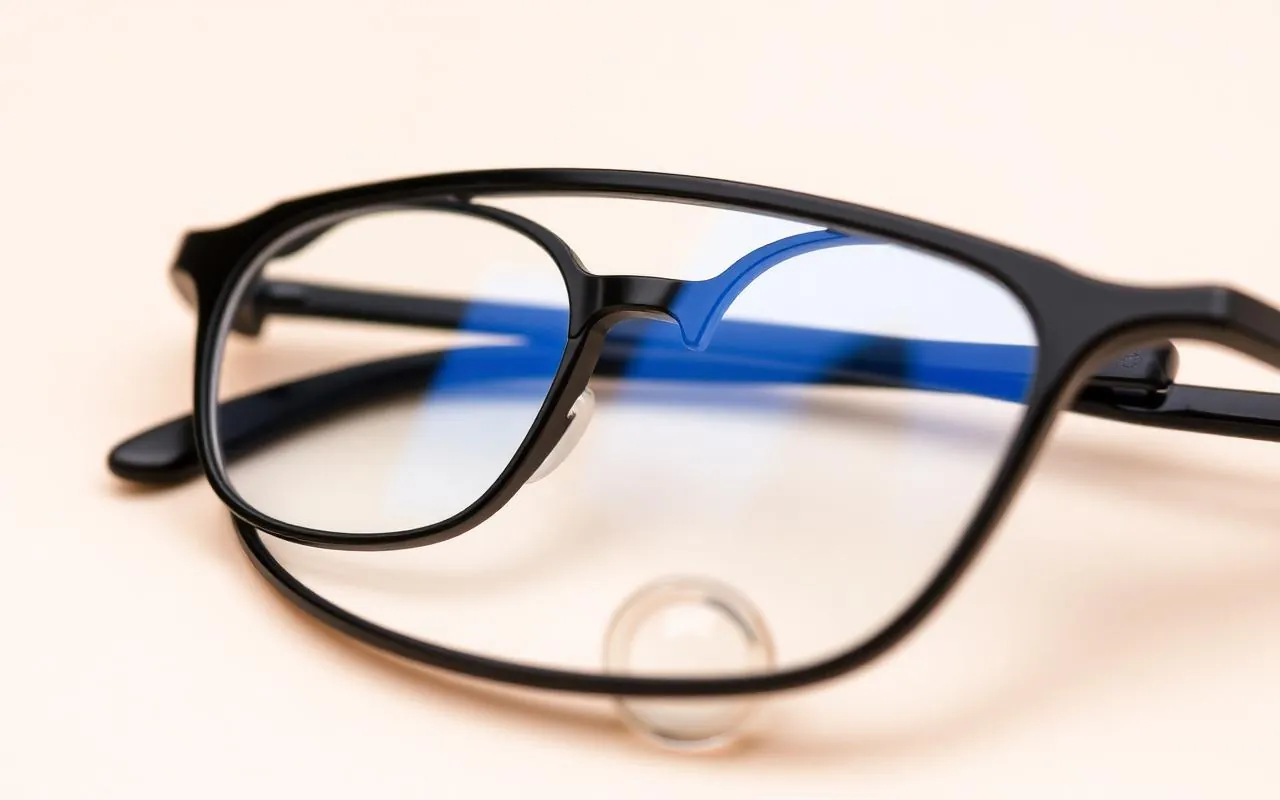
Glasses or lenses: which suits you best?
The choice depends on your prescription, profession, hobbies and skin comfort. Many patients combine both: glasses for the evening and screen work, lenses for sport and social occasions. With high corrections or an irregular cornea, scleral lenses or rigid gas-permeable lenses may be indicated.
When to consider laser or implant?
If you want to be permanently free of glasses or lenses, you may be a candidate for laser eye surgery (SMILE, Femto-LASIK or LASEK/PRK) or for a multifocal lens implant. A free screening determines what is feasible for you.
Children and teenagers
In children, early screening is crucial: an untreated refractive error (for example unilateral hyperopia or astigmatism) can lead to a lazy eye (amblyopia). From age 3 vision can be measured reliably.